If you've been arrested for DUI (called OUI in Massachusetts), the next 15 days will affect your driving privileges for at least the next year. Massachusetts DUI laws carry serious consequences — license suspension, ignition interlock, fines, and potential jail time — and the system is unforgiving if you try to handle it alone.
Anyone arrested for OUI in Massachusetts needs a clear plan to fight the charges and protect their driving privileges. This page walks through the court process, the most effective defense strategies, and what to do immediately to preserve your options.
Free 24/7 consultation: 401-573-2265.
Understanding the DUI Court Process in Massachusetts
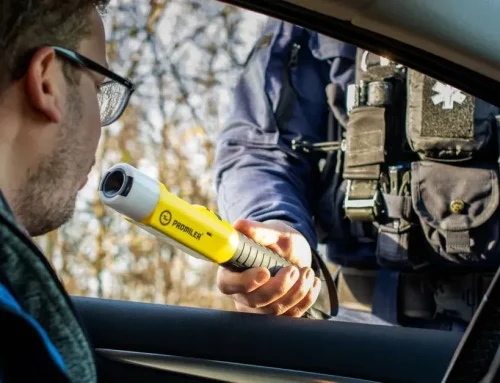
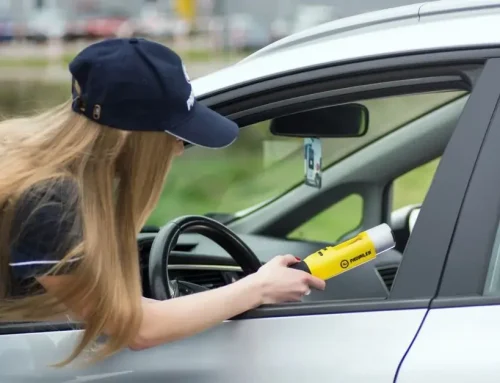
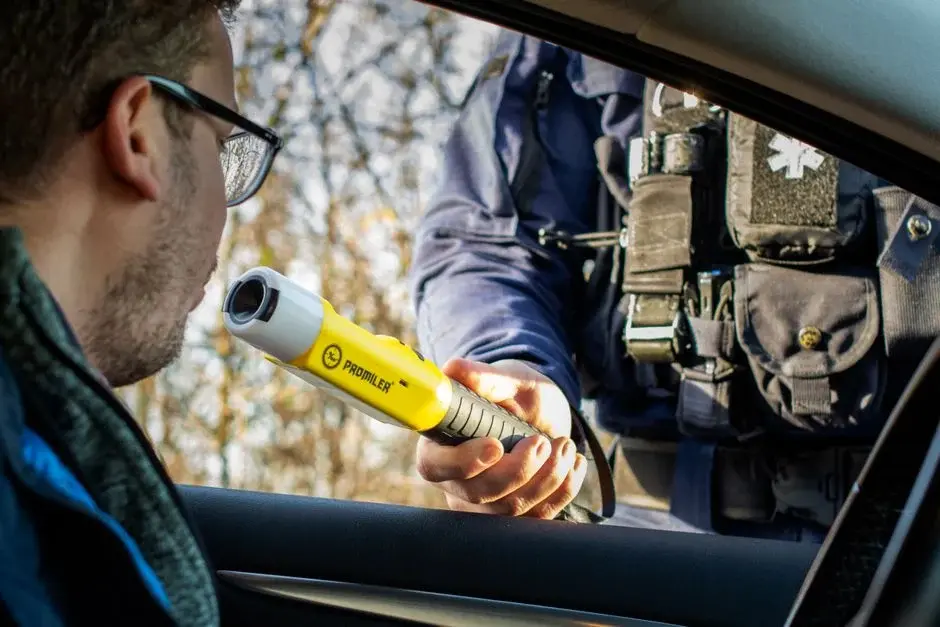
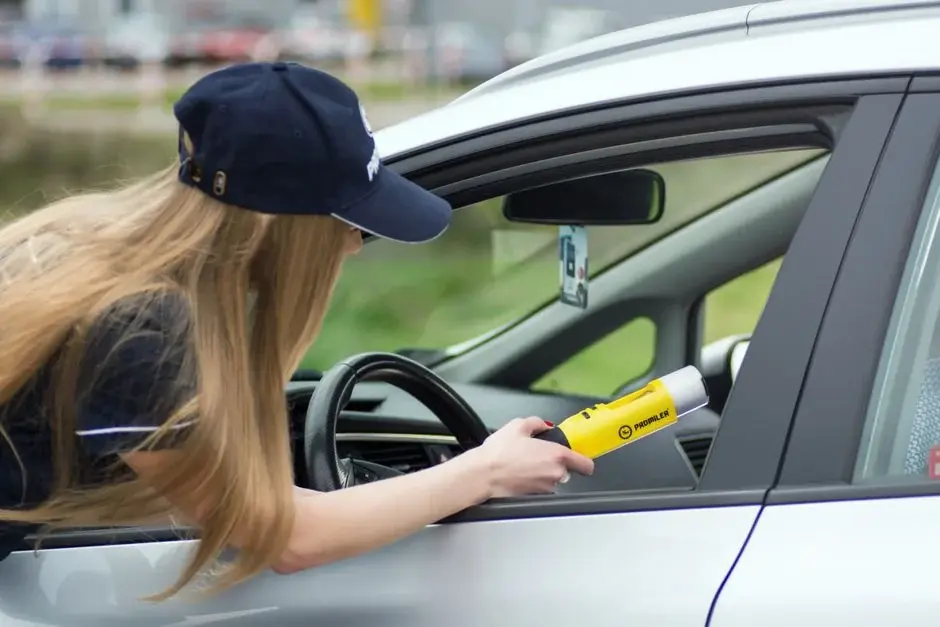
The DUI court process in Massachusetts begins the moment you are pulled over. An officer observes driving behavior, administers field sobriety tests, and may request a breathalyzer. Refusing the chemical breath test triggers an automatic 180-day license suspension under the state's implied consent law for a first refusal — even if you're never convicted of OUI.
After an arrest, you are arraigned in district court. At that hearing, the charges are read, and you either plead not guilty or enter a plea agreement. Most experienced attorneys advise pleading not guilty to allow time for proper defense investigation and motion practice.
Discovery follows, where the prosecution shares evidence such as dashcam video, body camera footage, police reports, and breath test records. Your lawyer examines this material for procedural errors, calibration failures, or testing equipment problems. A pretrial conference may lead to a resolution, but if no acceptable deal is reached, the case proceeds toward trial. The entire process typically takes three to six months and can extend longer when complex motions are filed.
The Role of Arraignment
At arraignment, the judge sets bail and conditions of release. You may be required to install an ignition interlock device depending on the circumstances of your arrest. If your license was not suspended at the station, you can usually keep driving while the case is pending. A failed breath test brings a 30-day suspension and a refusal brings at least 180 days, and refusal suspensions generally are not eligible for a hardship license.
Key DUI Defense Strategies in Massachusetts
Winning a Massachusetts OUI case often depends on the defense strategies your attorney employs. The most common challenges include attacking the validity of the traffic stop, challenging breathalyzer calibration records, field sobriety test administration challenges, body cam and dash cam analysis, and blood draw warrant compliance under Birchfield v. North Dakota (2016).
Medical and Physiological Defenses
Mouth alcohol, GERD, diabetic ketosis, and certain over-the-counter medications can produce falsely high breath test results. An experienced lawyer works with medical experts to present these as alternative explanations. The "rising BAC" defense also applies when a driver consumed alcohol shortly before driving and had not yet absorbed it at the time of the stop — meaning the BAC at testing was higher than at the time of driving.
Massachusetts OUI Penalties
Massachusetts OUI penalties are governed by M.G.L. c. 90, § 24. They escalate significantly with prior offenses, and Massachusetts uses a lifetime lookback for OUI priors — meaning a conviction from 20+ years ago still counts toward enhanced sentencing today.
| Offense | Fines | Jail | License Loss | Ignition Interlock |
|---|---|---|---|---|
| 1st Offense | $500 – $5,000 | Up to 2.5 years (often probation) | 1 year (hardship possible after 3 months) | Possible |
| 2nd Offense | $600 – $10,000 | 60 days – 2.5 years (30 days mandatory) | 2 years (hardship after 1 year) | Yes — 2 years post-reinstatement |
| 3rd Offense (felony) | $1,000 – $15,000 | 180 days – 5 years (150 days mandatory) | 8 years (no hardship for first 2 years) | Yes — 2 years |
Beyond the statutory penalties, an OUI conviction in Massachusetts triggers a Merit Rating Board insurance surcharge (Massachusetts does not use SR-22 filings), mandatory enrollment in a Driver Alcohol Education program, RMV reinstatement fees, and substantial increases in auto insurance premiums for years.
Dealing With a DUI License Suspension in Massachusetts
A Massachusetts OUI can bring license suspensions on two tracks. At the station, a breath result of 0.08 or higher brings an immediate 30-day suspension, and a refusal brings at least 180 days. After a first-offense conviction, the Registry of Motor Vehicles (RMV) suspends your license for one year, while a 24D disposition carries 45 to 90 days. Hardship licenses allowing limited driving to work, school, or medical appointments are available in some situations. If you refused the breath test, you have only 15 days from the suspension to request an RMV hearing. Missing that deadline forfeits the chance to dispute the refusal suspension.
Why You Need a Massachusetts OUI Attorney
Self-representation in an OUI case is almost always a losing strategy. The law is technical, evidence rules are strict, and prosecutors have years of experience. A dedicated Massachusetts OUI attorney understands the nuances of evidentiary breath testing, police report writing, and motion practice. They can negotiate for reduced charges (reckless driving instead of OUI, for example) or pursue a "continuance without a finding" that avoids a conviction on your record.
Frequently Asked Questions
What is the best way to fight a DUI in Massachusetts?
The best approach is to hire an attorney immediately, plead not guilty at arraignment, and have your lawyer investigate the stop, tests, and equipment.
Can I get a hardship license after a DUI in Massachusetts?
Yes. For a first offense, you can apply for a hardship license after a portion of the suspension period. You must complete a Driver Alcohol Education Program, pay a $500 fee, and install an ignition interlock device where required.
What are the penalties for a second OUI in Massachusetts?
A second offense carries fines of $600 to $10,000, 60 days to 2.5 years in jail (30 days mandatory, no matter how old the prior offense is), a 2-year license suspension, and an interlock requirement for a minimum of 2 years post-reinstatement.
Does refusing a breathalyzer help my case?
Refusing a chemical breath test triggers an automatic 180-day license suspension for a first refusal but does not prevent OUI prosecution. However, refusal removes the breath test result as evidence, which can sometimes give your attorney an advantage at trial.
How long do I have to act after a Massachusetts OUI arrest?
If you refused the breath test, you have 15 days from the suspension to request an RMV hearing. Booking and cruiser video should also be requested right away, so call a lawyer as soon as possible.
Charged With OUI in Massachusetts? Call Now.
Taking swift action is the best way to fight Massachusetts OUI charges.
Call 401-573-2265 — available 24/7 for free consultations. Massachusetts-licensed attorney Rory Munns at Bank & Munns defends OUI cases throughout Massachusetts.
This page provides general information only and does not constitute legal advice.