
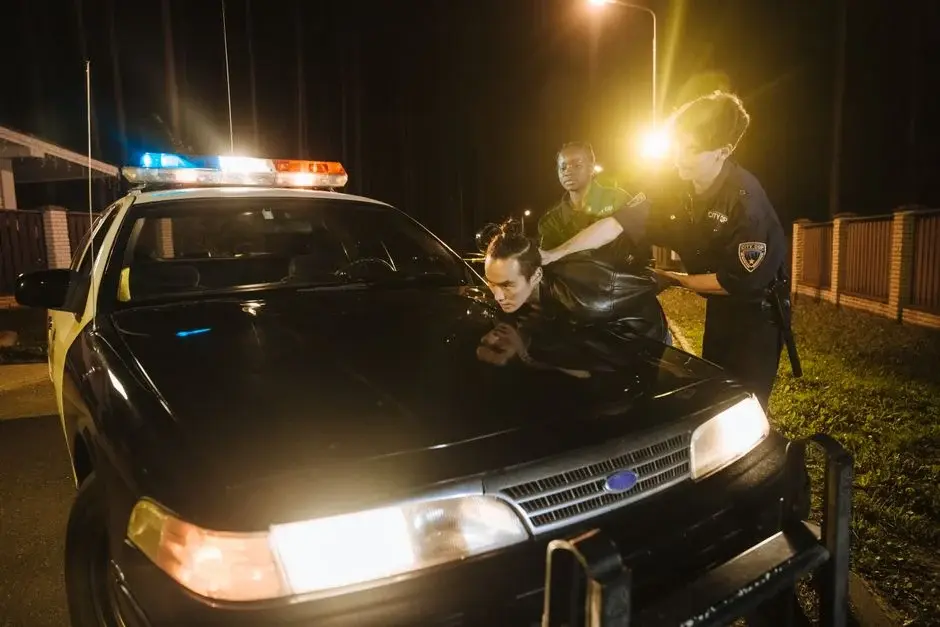
Massachusetts DUI penalties escalate quickly across offense levels. A first-offense OUI carries fines and license suspension. A second offense adds mandatory jail time and ignition interlock. A third offense is a felony. Understanding the penalty structure lets defendants and their families make informed decisions about defense strategy and plea negotiation. Rory Munns of Mass DUI Guy defends OUI cases across Bristol County. Call 401-573-2265 for a free consultation.
Quick answer: Massachusetts DUI penalties under M.G.L. c. 90, s. 24 run from a $500 to $5,000 fine and up to 1 year of license loss on a first offense (most first offenders take the 24D program with 45 to 90 days off the road), to mandatory jail and 2 years of suspension on a second, to a felony with 180 days to 5 years in state prison and 8 years of suspension on a third. Refusing the breath test adds a separate RMV suspension of 180 days to life. A hardship license is available to most defendants after a waiting period.
Massachusetts DUI Penalties by Offense
First Offense OUI Penalties
Under Massachusetts General Laws Chapter 90, Section 24:
- Fine: $500 to $5,000
- Jail: Up to 2.5 years (typically not imposed on a clean first-offense record)
- License suspension: Up to 1 year
- Alcohol education: Mandatory 24D program available for eligible first offenders
- Hardship license: Available for work purposes after a specified waiting period
The 24D disposition (also called the alcohol education program) is available for most first-offense defendants and produces a reduced license loss period and eligibility for hardship driving.
Second Offense OUI Penalties
- Fine: $600 to $10,000
- Jail: 60 days to 2.5 years, with mandatory minimum incarceration
- License suspension: 2 years
- Ignition interlock: Mandatory for the duration of the hardship license and 2 years after reinstatement
- Alcohol education/treatment: Required
Massachusetts counts prior OUI offenses for life, including cases resolved by a 24D disposition, so a second offense can be charged no matter how old the first one is. A second offense carries mandatory jail time.
Third Offense OUI (Felony)
- Felony charge under c. 90, Section 24
- Fine: $1,000 to $15,000
- Prison: 180 days to 5 years, with mandatory minimum
- License suspension: 8 years
- Ignition interlock: Mandatory
Fourth Offense OUI
- Felony with 2 to 5 years state prison, mandatory minimum
- 10-year license suspension
- Higher fines and mandatory interlock
Fifth Offense OUI
- Felony with 2.5 to 5 years state prison, mandatory minimum
- Lifetime license loss
Chemical Test Refusal Suspensions
Refusing the breathalyzer triggers a separate administrative license suspension under the implied consent law:
- First refusal: 180-day suspension
- Second refusal: 3-year suspension
- Third refusal: 5-year suspension
- Fourth refusal: Lifetime suspension
The refusal suspension runs administratively through the RMV, separate from the criminal case. See Mass Breathalyzer Refusal Attorney.
Aggravating Factors That Enhance Penalties
- Child endangerment (M.G.L. c. 90, Section 24V): OUI with a child under 14 in the vehicle adds up to 2.5 years in jail and a $1,000 to $5,000 fine.
- OUI causing serious bodily injury: Felony with up to 10 years in state prison.
- OUI causing death (motor vehicle homicide by OUI): Felony with 2.5 to 15 years in state prison, mandatory minimum of 1 year.
- High BAC readings: A BAC above certain thresholds can trigger enhanced penalties in some cases.
Collateral Consequences Beyond Court Penalties
- Insurance surcharge: An OUI conviction is a major surcharge event with the Merit Rating Board, and rates climb 50 to 200 percent for years. Massachusetts does not use SR-22 filings, although a Massachusetts driver with an out-of-state offense may need one if that other state requires it.
- CDL disqualification: Commercial license disqualification under federal rules
- Professional license review: Nursing, teaching, and other licensed professions
- Employment consequences: Background checks show OUI convictions
- Immigration consequences: Multiple OUI convictions can affect non-citizen status
- Housing: Landlord background checks catch OUI convictions
Massachusetts Hardship License
Massachusetts allows a hardship (Cinderella) license for certain OUI defendants after a waiting period. The hardship license permits driving during a 12-hour window each day for work, school, medical, or court-ordered treatment purposes. Eligibility requires:
- Completion of the required waiting period
- Enrollment in or completion of the alcohol education program
- Documented hardship (typically employment)
- Compliance with any ignition interlock requirement
Reducing the Penalty Through Defense
Massachusetts penalties assume the OUI conviction actually happens. When the underlying case has defense angles - a bad stop, breathalyzer calibration issues, field sobriety test problems, implied consent advisement defects - the penalty math changes. A reduction to reckless driving avoids the OUI conviction entirely and the collateral consequences that follow.
Related Massachusetts DUI Resources
- Mass DUI Attorney
- Mass Breathalyzer Refusal Attorney
- Massachusetts DUI Laws
- New Bedford DUI Checkpoints
- New Bedford DUI Attorney
- Fall River DUI Lawyer