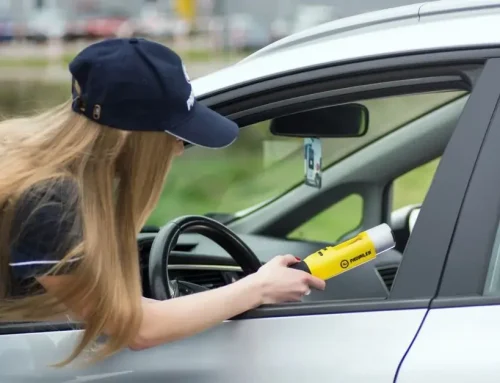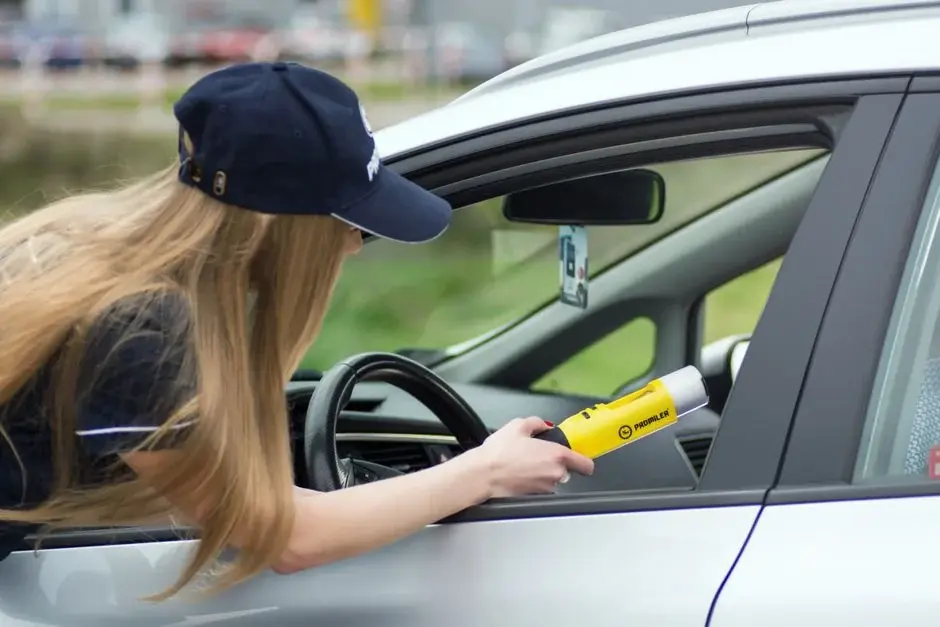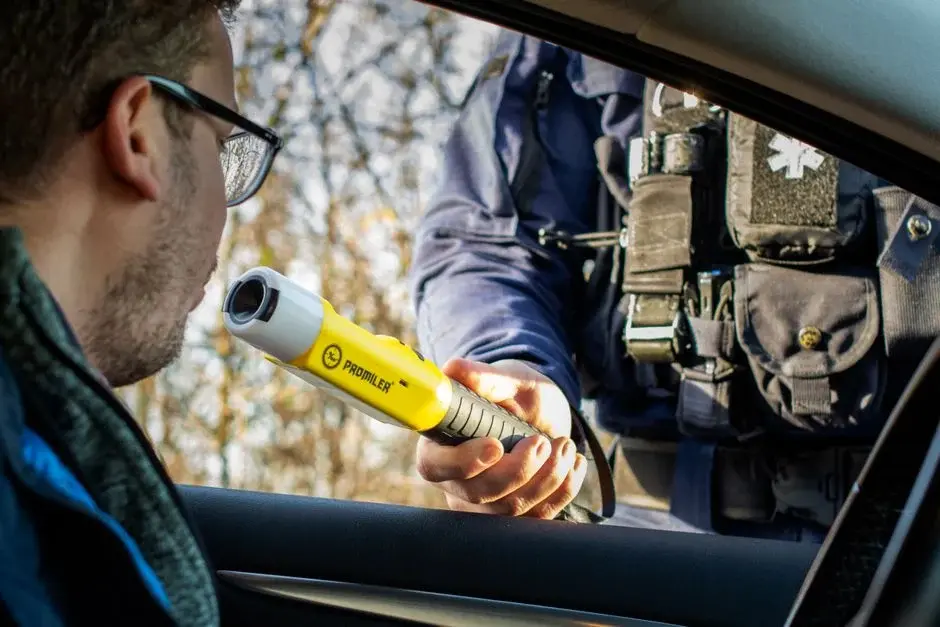
A Massachusetts breathalyzer challenge is often the difference between an OUI conviction and a dismissal or reduction. A breath test result showing a BAC of 0.08 or higher is not an automatic conviction. Massachusetts has had recurring litigation over breathalyzer reliability, calibration procedures, and testing protocols. Defense attorneys attack breath test evidence through calibration records, operator certification, observation period violations, and machine-specific issues. Rory Munns of Mass DUI Guy handles these challenges across Bristol County. Call 401-573-2265 for a free consultation.
How Massachusetts Breathalyzer Testing Works
Massachusetts uses the Draeger Alcotest 9510 evidentiary breathalyzer at police stations. The device measures alcohol in breath and converts it to an estimated BAC. Two samples are taken and averaged. Prior devices (including older Draeger models) have been the subject of Massachusetts appellate litigation that shaped current calibration and certification requirements.
Grounds for a Massachusetts Breathalyzer Challenge
Calibration Records
The Draeger unit must be calibrated within specific windows. Massachusetts requires periodic certification and re-certification. Lapses in the calibration record void the reliability of readings taken while the device was out of certification.
Operator Certification
The officer administering the test must hold current certification to operate the device. An expired or missing certification means the reading was taken by an unqualified operator and can be excluded from evidence.
15 to 20 Minute Observation Period
Massachusetts protocol requires observation of the suspect for a defined period before the test to ensure no burping, vomiting, eating, drinking, or smoking that could produce mouth alcohol contamination. Officers who shortcut this observation open the door to suppression.
Mouth Alcohol Contamination
Recent drinks, mouthwash, breath fresheners, GERD, dental work, and even burping can produce residual mouth alcohol that inflates the reading. The observation period is supposed to prevent this. When it fails, the reading is unreliable.
Two-Test Discrepancy
Massachusetts requires two breath samples within a defined tolerance. A larger discrepancy invalidates the reading.
Machine-Specific Issues
Rising BAC (test administered after peak absorption), radio frequency interference, temperature variations, and machine malfunctions all produce grounds for challenge.
Medical Conditions
Diabetes (ketoacidosis produces acetone that some breathalyzers misread), GERD, asthma medications, and dental work can all affect breath test results independent of alcohol consumption.
The Chemical Test Refusal Alternative
Refusing the breathalyzer at the station triggers a separate administrative license suspension under Massachusetts implied consent law:
- First refusal: 180-day suspension
- Second refusal: 3-year suspension
- Third refusal: 5-year suspension
- Fourth refusal: Lifetime suspension
Refusal denies the state its strongest evidence in the criminal case but triggers the administrative suspension automatically. The refusal decision is case-specific and depends on the specific facts. See Mass Breathalyzer Refusal Attorney for the full framework.
How the Motion to Suppress Works
A motion to suppress the breathalyzer result is filed after discovery. The defense pulls:
- Calibration and maintenance logs for the specific device used
- Operator certification records for the officer
- Dash cam and station video of the observation period
- The specific test data including both breath samples
- Any prior appellate rulings affecting the device or protocol
When the discovery reveals defects in any of these areas, the motion argues for suppression of the breath test result. Success means the state's strongest piece of evidence is out of the case.
What Happens After Successful Suppression
When the breath test result is suppressed, the state is left with the officer's observations (smell of alcohol, slurred speech, bloodshot eyes) and the field sobriety test results. Without the numeric BAC, the case becomes harder to prove. Many prosecutors offer reductions to reckless driving or refusal-only dispositions at this point. Some cases dismiss entirely.
Related Massachusetts DUI Resources
- Mass DUI Attorney
- Mass Breathalyzer Refusal Attorney
- Massachusetts DUI Laws
- New Bedford DUI Checkpoints
- New Bedford DUI Attorney
- Fall River DUI Lawyer
Frequently Asked Questions
Can I challenge a breathalyzer result in Massachusetts?
Yes. Grounds include calibration lapses, operator certification gaps, observation period violations, mouth alcohol contamination, medical conditions, and two-test discrepancies. A successful challenge suppresses the BAC reading and often reduces the case to reckless driving or dismissal.
What is the observation period in Massachusetts breath testing?
Protocol requires the officer to observe the suspect for a defined period (typically 15 to 20 minutes) before administering the test. During this time the suspect cannot eat, drink, smoke, burp, or vomit. Officers who shortcut the observation open the door to suppression.
What is mouth alcohol contamination?
Residual alcohol in the mouth from recent drinks, mouthwash, breath fresheners, GERD, or burping can inflate the breath reading. The observation period is supposed to prevent this. When it fails, the reading is unreliable and can be excluded.
Should I refuse the breathalyzer in Massachusetts?
Case-specific decision. Refusal denies the state its strongest evidence but triggers a mandatory administrative license suspension. First refusal is 180 days. The right answer depends on the specific facts of the stop and the underlying case.
What is the BAC limit in Massachusetts?
0.08 percent for adult drivers, 0.04 percent for commercial drivers, 0.02 percent for drivers under 21.
Free Consultation
A breathalyzer reading is not the end of the case. Calibration lapses, observation period violations, and operator certification gaps all provide suppression grounds. Call Rory Munns at Mass DUI Guy at 401-573-2265 today for a free consultation.